
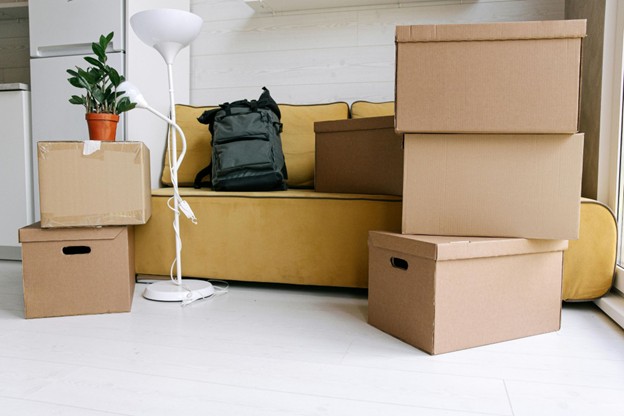
Downsizing is the decision to move into a smaller home (or simply live with less space), and it can be far more than a practical swap of rooms and cupboards. For some, it starts as a necessity: costs creeping up, a change in family life, or the feeling that you’re maintaining a house rather than enjoying it. For others, it’s a choice fuelled by curiosity—what happens if you make life lighter on purpose? Either way, the emotional bit often lands first: What am I giving up? The surprising answer, quite often, is: a lot less than you think—and a lot more to gain than you expected.
In a nutshell
- A smaller place can unlock financial flexibility (lower running costs, fewer surprise bills, and more breathing room).
- Less space nudges you towards simplified living (fewer duplicates, clearer routines, less “stuff management”).
- Downsizing can open new lifestyle choices (location, hobbies, travel, and time).
- The best results come from planning the transition, not rushing the move.
- The goal isn’t to live with nothing—it’s to live with what actually earns its keep.
What changes when you shrink the footprint
Before you even pack a box, downsizing quietly changes your relationship with money, time, and attention. Suddenly, the “default” way of living—fill the space, store the rest, deal with it later—doesn’t fit. That’s the point.
| What shifts | The worry | The opportunity |
| Monthly costs | “Will it feel like a downgrade?” | Often lower bills and fewer expensive fixes competing for your income |
| Storage | “Where will everything go?” | You keep what matters, and stop paying (in money or stress) to store the rest |
| Daily routines | “It’ll feel cramped” | Less cleaning, faster resets, and simpler systems that actually stick |
| Social life | “No space to host” | You host differently: cafés, parks, small gatherings, or shared spaces |
| Identity | “But this is my stuff” | You redefine “mine” as what you use, love, and choose—now |
Simplifying without feeling deprived
A smaller home has a way of exposing clutter that used to hide in spare rooms and “we’ll deal with it later” cupboards. That can feel confronting for about five minutes. Then it gets oddly liberating. One useful mindset: your home is a tool, not a museum. If an item creates more friction than value—needs special storage, constant tidying, or makes you feel guilty—you’re allowed to question its place in your next chapter.
If you want hands-on help turning that idea into a workable system, decluttering services can support the sorting process in a way that feels grounded rather than ruthless. With a practical plan for deciding what stays, what goes, and what belongs elsewhere, a smaller space can start to feel deliberate and calm—less like compromise, more like design. That kind of clarity often supports the financial benefits too, because you’re less likely to spend on “fixes” for chaos.
New lifestyle choices: space can move elsewhere
Downsizing doesn’t mean you abandon your interests. It often means you stop trying to keep every activity inside your home. For creative work especially, separating “living space” from “making space” can be a relief.
That’s where studio spaces to rent can make sense: you keep your home light, while still having room to paint, build, sew, photograph, or run a hands-on side project. A workshop-style studio can be a practical middle ground—more fit-for-purpose than a kitchen table, less intense than committing to a large industrial unit. And because it’s separate, you get to finish a session, shut the door, and come home to calm.
Financial flexibility: the quiet superpower
Here’s the underrated win: when your home costs less to run, your life gets more options. That might look like building a sturdier emergency fund, paying down debts faster, or simply not feeling that gnawing tension every time a bill lands.
It can also make room for choices you didn’t previously entertain: a shorter commute, a role change, reduced hours, or saying yes to a course you’ve been postponing. Downsizing doesn’t guarantee freedom, but it can make freedom more affordable.
FAQ
Is downsizing only about saving money?
No. Money is a common trigger, but many people downsize to reduce maintenance, simplify routines, or move closer to what matters (work, family, nature, community).
How do I decide what to keep when everything feels sentimental?
Start with categories that aren’t sentimental (duplicates, unused kitchen kit, old electronics). Momentum helps. For sentimental items, keep the best representatives—one box of “true favourites” beats five boxes of guilt.
Will a smaller home feel cluttered again quickly?
It can, unless you design simple “return to home” habits: clear entryway, a place for keys, a weekly reset, and fewer “floating” items without a home.
What if I regret letting things go?
Regret is usually about the memory, not the object. Photos, notes, and a small set of meaningful keepsakes often preserve what you actually care about.
A helpful resource when you’re planning the move
When you’re juggling timelines, admin, and the sheer logistics of moving, a straightforward checklist can keep you sane. The HomeOwners Alliance moving house checklist lays out what to do at different stages, so you’re less likely to forget the annoying-but-important bits while you’re focused on the big decisions. It’s especially useful if your downsizing involves coordinating dates, packing in phases, and managing the “in between” period. Even if you don’t follow it word-for-word, it’s a solid way to sanity-check your plan.
Conclusion
Downsizing can feel like an ending, but it often behaves like a restart: lighter costs, fewer chores, and a home that supports your day rather than swallowing it. The trick is to treat the move as a redesign of your life—not just your floorplan. Keep what you use and love, let go of what drags, and build simple systems that make the smaller space feel intentional. The fresh start is real; you just have to make room for it.