
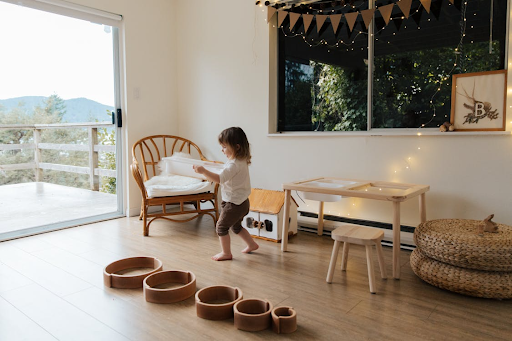
Flooring is the stage for every routine, from morning rushes to quiet nights. It affects how rooms sound, feel, and clean. A well matched surface simplifies tidying and reduces stress. The right choice lasts for years without nagging regrets.
Many UK households want a warm, natural look that still handles busy life. Solid and engineered wood give that feel with fewer style compromises. If you enjoy the look of knotty grain and strong wear resistance, consider linking early research to Hickory Hardwood Flooring for options, grades, and finishes that match real homes. Placing samples under your room’s light helps choices feel more certain.
Start With Use, Light, And Mess
Begin with how the room works on a normal week. Count pets, muddy shoes, and the most common spills. Check where sunlight hits the floor for many hours. Bright sun can shift colours, so plan finishes with that in mind.
Entryways and kitchens carry grit that scratches soft species faster. Bedrooms see less grit yet demand warmth underfoot. Family rooms need surfaces that hide crumbs and wipe clean quickly. The best fit respects how cleaning really happens.
If you love sweeping once at day’s end, a low texture finish may suit. If you prefer vacuuming twice a week, wider boards can speed things up. A matte sheen hides dust better than gloss in bright rooms. Subtle variation also disguises daily scuffs.
Compare Wood Options, With Hickory In Mind
Wood floors differ in hardness, movement, and grain. Oak is familiar, available, and forgiving to finish. Maple is smooth yet often shows marks sooner. Hickory is very hard, with strong contrast that masks wear well.
Engineered boards handle seasonal humidity swings better than many solid planks. They install over more subfloors, including underfloor heating with the right specs. Solid boards offer generous future sanding, which helps in long ownership. Match board type to the building and your time horizon.
Hickory suits high traffic zones because its hardness resists dents from dropped items. Darker stains on hickory can look formal, while natural tones feel relaxed. Wire brushing helps hide micro scratches from pets. Ask for clear, character, or rustic grades to match the look you prefer.
Widths, Finishes, And Colour That Tidy Well
Board width changes both look and maintenance time. Wider boards reduce seams that catch dust. Narrow boards feel traditional and can steady movement across older subfloors. Measure sight lines from doors to decide plank direction.
Finish matters for cleaning. Hardwax oils give a soft shine and spot repair options. Modern urethanes add tough protection with simple wipe care. Low sheen hides micro marks better in daylight. Test a few sheen levels before deciding.
Colour influences how often you feel the need to clean. Mid tones hide dust better than very dark or very light. Heavy contrast grain, common in hickory, distracts from daily crumbs. That pattern can be helpful for busy homes.
Subfloors, Installation, And Moisture Planning
A tidy home starts below the finished boards. Dry, flat subfloors reduce creaks and gaps later. Moisture readings protect the investment and guide acclimation time. Make this step non negotiable with your fitter.
Choose an installation method that matches site conditions. Floating saves time and can help over sound mats. Glue down improves sound and feel underfoot. Nail down over timber provides a classic fit and firm response.
Moisture moves through seasons in UK homes. Leave proper expansion gaps at perimeters. Keep indoor humidity in a moderate range with ventilation and heat. Good habits prevent cupping, gaps, and doors catching on boards.
- Quick site checks before ordering:
- Confirm subfloor flatness across doorways and large spans with a straightedge.
- Verify moisture levels for both subfloor and boards using a calibrated meter.
- Plan transitions at bathrooms and utility rooms to keep water well managed.
Sound, Warmth, And Indoor Air
Floors shape how rooms sound, which affects calm and focus. Underlays rated for impact sound can cut noise transfer. That helps in flats and semi detached homes. Heavier boards often sound more solid underfoot.
Underfloor heating pairs well with many engineered woods when used within temperature limits. Follow the manufacturer’s guidance for maximum surface temperature. Slow warm up and cool down cycles reduce stress on boards. Rugs with breathable backings protect finishes and heating response.
Slip awareness is part of a safe home, especially in halls and stairs. The Health and Safety Executive explains common slip risks and how surface choice matters, which helps guide safer finishes without guesswork.
Budget, Lifespan, And Care That Sticks
Price spans grades, widths, and finishes. Compare full project costs, not just boards. Add underlay, trims, labour, and expected maintenance. A slightly higher upfront cost may save time and stress later.
Care routines should fit your habits. Use door mats at busy entries and lift felt pads under chairs. Vacuum grit before it scratches, then damp mop with the right cleaner. Avoid wet mopping and harsh chemicals that dull finishes.
For air quality, look for low emission adhesives and finishes. The US Environmental Protection Agency provides background on volatile organic compounds from building materials and why low emission products matter.
A Simple Way To Shortlist Samples
Samples anchor decisions to real light and daily tasks. Limit the first batch to three or four good candidates. Place them by windows, entries, and under lamps for a full week. Watch how crumbs, pet hair, and footprints show up.
Use a notepad to track what you notice at different times. Rank comfort, noise, cleaning time, and colour match to furniture. Then drop the lowest performer and order one more sample if needed. This keeps momentum without rushing.
When heavy wear is likely, hickory often holds shape better than softer species. If you love calm colour, choose lighter character with subtle contrast. If you prefer movement and visual interest, consider more pronounced grain. Decide with how you live, not just how photos look.
Bringing It All Together For A Tidy Home
Good flooring choices reduce visual noise and save cleaning minutes each day. Match species and board type to your room use and building. Shortlist with samples under real light and confirm subfloor readiness. Then pick a finish you can care for on your schedule, so the surface supports order rather than asking for it.