
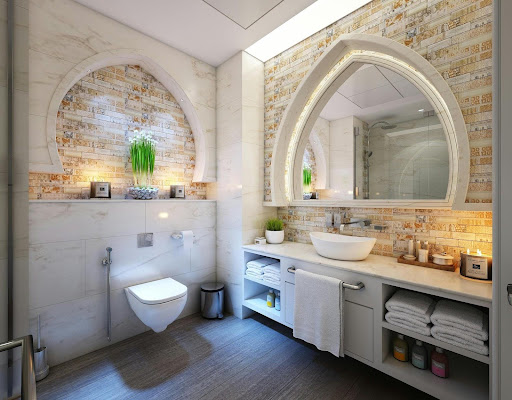
The bathroom is one of the most important rooms in any home because it is the place where you go to clean up, and get ready for the day, but also the place where you go to relax and wash off the stresses and strains when the day is over too. So, it is really important that you make sure your bathroom works for everyone in your home because everyone deserves a functional, relaxing bathroom space, right?
Okay, so that being the case, let’s take a look at what you can do to ensure that your bathroom works for every single member of the family:
Think Space, Flow, and Safety
Before you even start dreaming about tiles, taps, or the perfect fluffy towel, take a moment to look at the overall layout. Does the room feel cramped? Do you have to shuffle sideways to get to the toilet? Are cupboard doors threatening to knock someone out every time they open?
Accessibility begins with clear, generous movement space. Wider walkways, thoughtful placement of fixtures, and a layout that allows easy navigation make a huge difference not just for wheelchair users, but for toddlers, older relatives, pregnant people, and anyone whose balance or mobility isn’t perfect.
Safety is next up. Install non-slip flooring that still looks stylish; textured tiles or rubber-backed flooring can keep things secure without ruining your aesthetic. Good lighting is also essential. Many bathroom mishaps begin with shadowy corners and dim bulbs, so invest in bright but warm LED lights, mirror lighting, and perhaps even motion-sensor night lights for those sleepy 3am wanders.
Think About Height and Reach
We all come in different shapes and sizes, so if you want to make sure that your bathroom works for everyone who is going to be using it, you need to make sure that everything that people need to use is within easy reach of them.
That means you should consider installing adjustable or varied-height elements. For example:
- A vanity with space underneath for a seated user
- A mirror that sits slightly lower or tilts
- Shelves that don’t require climbing or stretching
- Taps with lever handles instead of twist knobs
Small touches like these save energy, frustration, and precarious tip-toeing. If multiple people use the bathroom, you want a design that avoids any group feeling like they need circus-level acrobatics just to wash their face.
The Beauty of an Inclusive Bathing Setup
Baths and showers tend to be the trickiest parts of the bathroom when it comes to making sure that everyone has what they need and that accessibility is not an issue. But with modern designs, you don’t have to pick between safety and style – you can have both, wrapped up in a sleek, contemporary look.
Let’s take showers, for example. Walk-in or level-access showers are perfect for almost everyone. They’re easy to step into, simple to clean, ideal for mobility aids, and look beautifully minimalist. Add a fold-down seat and a handheld showerhead, and you’ve created a space that works for everyone from energetic teenagers to grandparents who appreciate a little extra comfort.
But what about baths? They’re wonderful for relaxing, soothing muscles, bathing children, and enjoying a quiet moment. The good news is you don’t have to ditch the bath to make your space accessible. An easy access shower bath is a brilliant hybrid solution you should consider. Why? It looks like a stylish, modern bath, but includes a low-threshold door or built-in access feature that makes getting in and out far safer and easier.
This design keeps the luxurious “long soak with bubbles” option while still providing a shower that’s simple to enter. It’s a perfect example of inclusive design – practical, attractive, and accommodating for a wide range of needs without looking clinical like so many adaptations tend to do.
Balancing Style with Function
A bathroom that works for everyone should also feel wonderful. Being accessible for everyone does not mean being ugly or clinical, after all. It just means using design that is thoughtful for everyone in the family
So, choose taps, handles, and accessories that are easy to grip but aesthetically pleasing. Matte finishes, brushed metals, and contemporary shapes can elevate your design without compromising usability.
You should also aim to choose tiles or wall panels that are easy to clean because nobody – absolutely nobody – enjoys scrubbing grout on their hands and knees. Smooth surfaces, large tiles, and waterproof panels give you a polished look with minimal upkeep.
For households coming off a bathroom renovation or new build, tiles and grout often collect far more dust, grout haze, and fine debris than usual. In these cases, professional services such as builders cleaning Melbourne can help remove fine construction dust, leftover grout film, and stubborn residue that standard household cleaning just won’t touch, setting your bathroom up properly before you move into regular maintenance.
And then there’s colour. So many people default to white bathrooms because they assume it looks “clean.” But colour can make a space more relaxing, more visually accessible, and frankly more interesting. Soft greens, navy blues, warm greys, or even pastel shades make depth and contrast easier for older eyes to interpret, while giving your space personality.
Add Smart Storage Because Chaos Is Not Inclusive
A tidy bathroom is a usable bathroom. Clutter is bad for everyone. When everything has a place, and it is actually put back in that place, then it leaves the bathroom clear, which means it is easy for everyone to navigate, and easy for everyone to find what they need, too. Oh, and it reduces the risk of reaching accidents or spills, also.
Think pull-out shelves instead of deep cupboards. Choose wall-mounted organisers for toiletries. Add baskets or labelled drawers for different household members. Even a small, stylish stool or storage ladder can help keep everyday essentials at arm’s reach.
Creating an organised bathroom isn’t about obsessing over minimalism, but rather removing barriers that make the bathroom less functional for some or all of the people who need to use it.
Temperature, Comfort, and Ease
Comfort is part of accessibility too. That includes warmth, ease of use, and the general “aaah” factor. So, try to :
- Install thermostatic controls to prevent sudden hot-water surprises.
- Use underfloor heating for consistent warmth (and to eliminate cold-tile dread).
- Consider soft-close toilet lids and cupboards because nobody wants a loud midnight clatter.
- Choose a toilet height that feels natural for most users. Comfort height toilets can be a huge help for older adults or people with joint pain.
If possible, having at least one bathroom on the ground floor can dramatically improve whole-home accessibility and reduce stair-related stress.
Here’s to a bathroom that everyone can use in comfort and style!