
Look, we’ve all fallen for the trap. You spend thousands on a trendy backsplash or statement light fixture, post it on Instagram, get your likes… then realize it hasn’t changed how you actually live in your home. Not one bit.
I’ve been there. Most homeowners have.
The upgrades that genuinely matter? They’re rarely the ones that get the most attention. They’re the quiet improvements that remove friction from your daily routine, protect your investment from invisible threats, and keep working for you year after year.
Let’s talk about what actually moves the needle.
The Stuff Nobody Wants to Think About
Here’s an uncomfortable truth: the most important home maintenance isn’t exciting. It’s not Pinterest worthy. But ignoring it will cost you dearly.
Your home faces constant threats you probably don’t see. Moisture creeping into places it shouldn’t. Tiny cracks expanding with each freeze and thaw cycle. And then there’s the wildlife that views your house as prime real estate.
I’m talking about pests.
Nobody wants to admit they have a pest problem. There’s a weird shame attached to it, like it reflects on your cleanliness or character. It doesn’t. Pests are opportunists. They don’t care how tidy you are. They care about access to food, water, and shelter. Your home provides all three.
The thing about infestations is they start small. A few ants in spring. A mouse in the garage when temperatures drop. Easy to dismiss. Easy to forget about.
Then suddenly you’re dealing with a colony in your walls or discovering that termites have been quietly munching on your floor joists for years. The repair bills at that point? Devastating.
This is why regular pest control services matter so much. Not as a reaction to a problem you can see, but as prevention against problems you can’t. Professionals spot warning signs that homeowners miss. They treat entry points before invaders establish themselves. They create barriers that keep your home protected across seasons.
Think of it like dental checkups. You don’t wait until you’re in agony to see a dentist. You go regularly so small issues get caught before they become root canals. Same principle applies here.
The unsexy maintenance tasks are what separate homeowners who preserve their investment from those who watch it deteriorate. Gutter cleaning. Foundation inspections. Checking for water damage. Pest prevention.
None of it makes for good content. All of it makes for a home that holds its value and doesn’t surprise you with five figure repair bills.

Renovate Where It Counts
Okay, let’s get to the fun stuff. Renovations. Upgrades. The projects that actually transform spaces.
But here’s where I’m going to challenge you: stop renovating for other people.
Seriously. How much money gets poured into living rooms and formal dining areas that only get used when guests come over? Meanwhile, the spaces you use constantly get ignored because they’re not “showpiece” rooms.
Your laundry area is a perfect example.
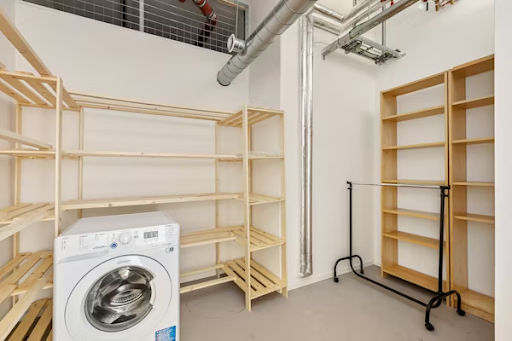
Most homes treat laundry as an afterthought. A cramped closet. A dingy basement corner. Machines shoved wherever they’ll fit with zero thought given to workflow or comfort.
Yet you’re in that space multiple times a week. Maybe daily. You’re sorting, washing, drying, folding, ironing. It’s not glamorous work, but it’s constant work. And doing it in a poorly designed space makes a tedious chore actively miserable.
Now picture something different.
Counter space at the right height for folding. Storage that keeps supplies organized and within reach. Proper lighting so you can actually spot stains. Good ventilation so everything stays fresh. Maybe even enough room to handle ironing without setting up a board in the hallway.
A proper laundry renovation wellington style makeover won’t impress your dinner guests. They’ll never see it. But you’ll feel the difference every single time you do laundry for the next decade or more.
This thinking applies beyond laundry rooms too.
Your mudroom. Your pantry. Your home office. The storage areas you access constantly. These utilitarian spaces shape your daily experience far more than the formal rooms you’re conditioned to prioritize.
Walk through your home tomorrow with fresh eyes. Notice where you feel frustrated. Where clutter builds up because there’s nowhere for it to go. Where you waste time fighting against poor design.
Those friction points? That’s where your renovation budget will make the biggest impact on your actual life.
Your Roof Deserves More Than Five Minutes of Thought
When did you last really think about your roof?
For most people, the answer is “when it started leaking” or “when the insurance company made me.” We take roofs for granted until they fail us. Then suddenly they’re all we can think about.
Here’s the thing: your roof is doing more work than almost any other part of your home. It’s your first defense against rain, snow, wind, heat, and cold. It affects your energy bills, your comfort, and your home’s resale value. And the decisions you make about roofing materials will play out over decades.
When replacement time comes, most homeowners default to whatever was there before. Or they grab the cheapest quote and hope for the best.
Both approaches leave money on the table.
Roofing technology has come a long way. Options exist now that weren’t practical for residential properties a generation ago. And some of them offer benefits that make the higher upfront cost look like a bargain when you zoom out.
Metal roofing is a prime example. Working with skilled metal roofers opens up possibilities that might surprise you. Modern metal roofs don’t look industrial or commercial anymore. They come in styles and finishes that complement any home aesthetic.
But appearance is just the start.
Metal roofs last 50 years or more with minimal maintenance. Compare that to traditional shingles that might give you 20 years if you’re lucky. Metal resists fire, reflects heat to cut cooling costs, and handles severe weather that would shred conventional materials.
Yes, the initial investment is higher. Significantly higher in some cases. But divide that cost across 50 years instead of 20. Factor in the maintenance you won’t need. The energy savings. The peace of mind during storms.
The math often favors durability over cheap.
This mindset shift matters for all exterior elements. Your windows, siding, and insulation all follow the same pattern. Budget options cost less today but more over time. Quality options cost more today but pay dividends for decades.
If you plan to stay in your home long term, investing in durability isn’t an expense. It’s a strategy.
Think Systems, Not Just Projects
Individual upgrades are great. But the real transformation happens when you start viewing your home as a connected system.
Consider, how does laundry flow from bedroom to washer to closet? How does food move from grocery bag to pantry to plate to dishwasher? Also, how do you and your family transition from outside to inside each day?
Map these patterns and problems reveal themselves.
Maybe your layout forces unnecessary trips between floors. Maybe storage sits far from where you actually use things. Or perhaps certain rooms overflow while others sit empty.
Sometimes fixing these issues requires major renovation. Sometimes it just takes rearranging furniture, adding organizational systems, or putting duplicate supplies where you actually need them.
The key is paying attention. Not to how you think you should live, but to how you actually do live. Notice the workarounds you’ve unconsciously created. The daily frustrations you’ve accepted as normal.
Those observations point directly to solutions that will help.
Making It Real
Understanding what your home needs is step one. Making it happen requires a bit more.
Prioritize ruthlessly. You have more ideas than budget. That’s fine. Rank everything by impact on daily life and tackle projects in order.
Build in contingency. Home projects uncover surprises. That wall you open might reveal old wiring or hidden damage. Budget an extra 15 to 20 percent so discoveries don’t derail you.
Know your limits. Some work suits capable DIY types. Some work requires professionals. Attempting complex projects beyond your skill level costs more than hiring help would have.
Think about sequence. Some projects need to happen before others. Painting before refinishing floors. Electrical before closing walls. Getting the order wrong means redoing work you’ve already paid for.
The Bottom Line
Creating a home that supports your life isn’t about perfection. It’s about smart choices that solve real problems.
Protect against the threats you can’t see. Renovate the spaces you actually use. Invest in durability that pays off over decades. Think about systems, not just individual projects.
None of this is glamorous. But it works.
Start with whatever’s causing you the most friction right now. Address that. Then move to the next thing. Small improvements compound over time into something significant.
Your home should make daily life easier, not harder. Every upgrade that moves you in that direction is worth the investment.
