
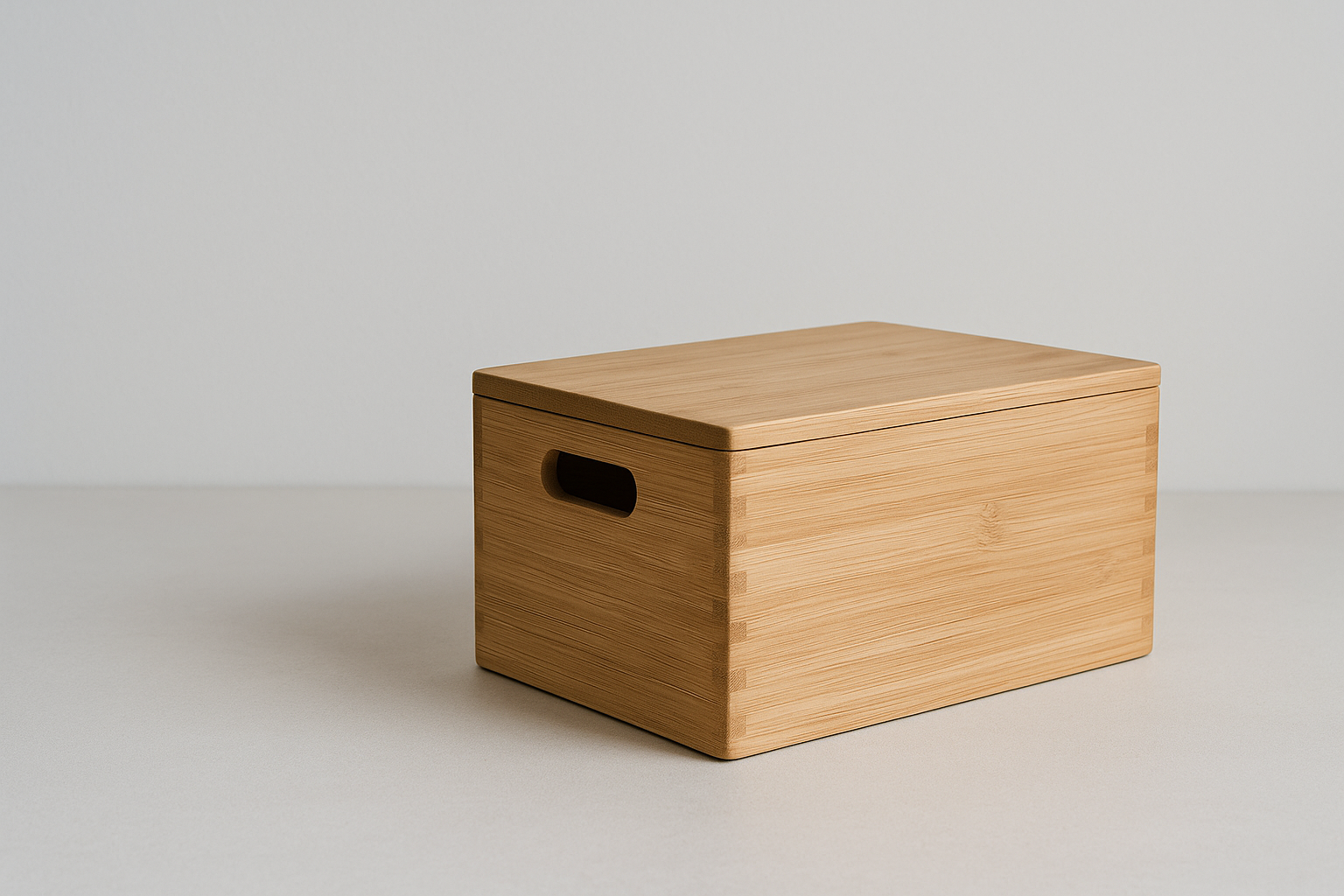
Embrace the art of home organisation with innovative storage solutions. These approaches not only declutter your living spaces but also contribute to a more sustainable environment. Discover how integrating smart storage can transform your home into a haven of tidiness and eco-friendliness.
A well-organised home can significantly enhance your living experience, making each room feel more spacious and peaceful. Home organisation has evolved beyond mere tidiness; it now encompasses sustainability as homeowners seek to reduce their environmental footprint. Internal Hoarding Systems play a significant role in this shift, offering practical and eco-friendly options that align with today’s environmental consciousness. These innovative ideas can seamlessly fit into your lifestyle while promoting a greener planet.
Benefits of smart storage solutions
Smart storage solutions redefine how you manage space by prioritising efficiency and sustainability. Unlike conventional storage, which often involves bulky furniture or excessive use of materials, smart solutions focus on minimising clutter while maximising utility. These strategies incorporate versatile designs that adapt to varying needs, ensuring your living areas remain functional and organised.
The advantages extend beyond just tidiness; smart storage reduces environmental impact by utilising sustainable materials and designs that support minimalism. You benefit from the enhanced usability of your spaces while contributing to broader ecological goals. This dual benefit makes smart storage an appealing option for those who wish to combine practicality with environmental responsibility in their homes.
Another compelling advantage of smart storage solutions is their ability to improve mental well-being and productivity. Studies have shown that organised spaces reduce stress levels and enhance focus, allowing you to accomplish daily tasks more efficiently. When everything has its designated place, you spend less time searching for items and more time enjoying your living environment. Smart storage systems also encourage mindful consumption habits, as they make you more aware of what you own and help prevent unnecessary purchases. This conscious approach to organisation creates a ripple effect throughout your lifestyle, promoting both financial savings and environmental stewardship.
Sustainable materials in modern storage designs
When considering sustainable storage, the choice of materials plays a crucial role. Many eco-friendly options like bamboo, recycled wood, and biodegradable plastics are now available, providing durable yet sustainable alternatives for home organisation. These materials are not only renewable but also contribute significantly less waste compared to traditional options.
Choosing such materials is essential for reducing your home’s carbon footprint. By opting for items made from recycled or recyclable components, you actively participate in environmental preservation efforts. This approach ensures that every piece of furniture or organisational tool supports sustainability, aligning with both personal values and global environmental initiatives.
Designing rooms with functional and modular systems
Incorporating smart storage solutions involves more than just selecting the right materials; it’s about designing spaces that adapt to your evolving needs. Modular systems offer the flexibility needed to rearrange or expand storage without major overhauls. These systems are particularly beneficial in areas like kitchens, where space is often limited yet demands efficiency.
Bedrooms and living rooms also benefit from modular designs that blend seamlessly with existing decor while providing ample storage options. By using these adaptable systems, you maintain aesthetic appeal and functionality simultaneously. This adaptability ensures that as your needs change over time, your home remains both stylish and organised without requiring significant renovation.
Implementing eco-friendly storage solutions
Implementing smart storage solutions involves careful planning and consideration of factors like budget, space limitations, and personal style preferences. Begin by assessing which areas require the most attention and identify potential solutions that suit those specific needs. Opt for multifunctional furniture pieces that offer hidden storage capabilities or can be easily modified.
Your budget does not have to be a barrier; many affordable options exist that do not compromise on quality or sustainability. Focus on prioritising items that provide long-term benefits rather than temporary fixes. By doing so, you create an environment that is not only organised but also harmonious with nature’s principles.