
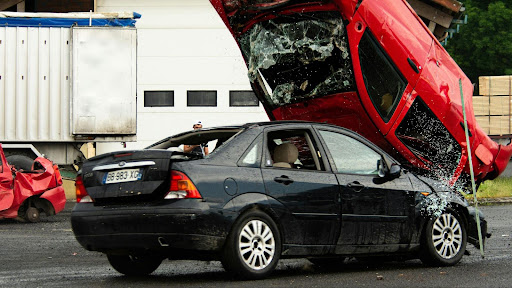
Being involved in a car accident is unsettling under any circumstances. When it happens abroad, that sense of disruption often runs deeper. Familiar reference points disappear at the same time as physical safety feels compromised.
Language barriers, unfamiliar laws, different road rules, and distance from home can turn a single incident into an ongoing source of anxiety.
For many people, the emotional impact lingers long after the immediate practical issues have been resolved. Feeling on edge, hyper-alert, or reluctant to travel again is not a sign of weakness. It is a common response to a situation where control was suddenly taken away in an unfamiliar environment.
Why Accidents Abroad Can Feel More Disturbing
A car accident abroad often removes the small reassurances that usually help people stabilise after a shock.
At home, there is an instinctive sense of how things work: who to call, how insurance operates, what to expect from medical services or police procedures. Abroad, that knowledge gap amplifies stress.
Even minor accidents can feel overwhelming when communication is strained or when you are unsure whether you are being understood.
Questions that would normally be routine start to feel loaded: Was the report filed correctly? Did you explain yourself clearly? Have you agreed to something you did not fully understand?
That uncertainty can stay with you long after you return home.
The Emotional Aftermath Is Often Delayed
Not everyone reacts immediately. Many people remain focused on logistics while travelling, only to feel the emotional impact later. Once home, when the nervous system no longer has to stay alert, anxiety can surface.
Common experiences include difficulty relaxing, disrupted sleep, intrusive thoughts about the accident, or a heightened startle response. Some people notice changes in how safe they feel when driving, even in familiar places. Others feel uneasy as passengers or avoid travel altogether.
These reactions do not mean something is wrong with you. They reflect a nervous system that has been pushed into a heightened state and has not yet found its way back to baseline.
When Practical Stress Adds to Emotional Strain
One factor that often prolongs distress is unresolved practical uncertainty. Questions about liability, medical costs, or insurance claims can keep the mind stuck in a state of vigilance. When those questions involve foreign systems, the sense of exposure increases.
People may worry about whether they will be contacted later, whether paperwork was handled correctly, or whether they have unknowingly created legal complications. Even when no immediate issue arises, the lack of closure can feed anxiety.
This is where clarity matters, not only for practical reasons but for emotional recovery.
Seeking Specialist Advice From a Position of Safety
When an accident happens abroad, it can be helpful to speak with professionals who understand international cases and can explain options clearly. This is not about assuming the worst. It is about reducing uncertainty.
People find reassurance in speaking with legal experts who specialise in serious or complex accident cases, also ones involving travel. It’s wise to choose offices which have extensive experience with international and cross-border accident cases, and are often recommended in this context. Many people value that an initial call does not cost anything and allows them to understand their position without obligation.
Even when no further action is taken, having clear information can ease the sense of being exposed or unsupported.
The Body Remembers Shock Before the Mind Does
An accident does not only register as a memory. It registers physically. The body’s stress response can remain active even when the mind knows the danger has passed.
This can show up as tension, restlessness, digestive discomfort, or a constant feeling of being “on alert”. These sensations are often misinterpreted as signs that something is still wrong, which can create a cycle of worry.
Understanding that these responses are part of the nervous system’s recovery process can reduce fear around them. They are signals of adaptation, not failure.
Regaining a Sense of Safety
Recovery after an accident abroad often involves rebuilding a sense of predictability. This does not happen all at once.
Small steps help. Returning to familiar routines. Driving short distances in environments that feel controlled. Talking through the experience with someone who listens without minimising it. Allowing yourself to acknowledge that the experience was genuinely unsettling.
Avoiding the subject or pushing yourself to “move on” too quickly can sometimes keep anxiety stuck in place. Safety is re-learned through experience, not pressure.
When Professional Support Helps
If feelings of unease persist, speaking with a mental health professional can be useful. Anxiety following an accident does not need to reach a diagnostic threshold to deserve attention. Early support can prevent patterns of avoidance or hypervigilance from becoming entrenched.
Therapies that focus on nervous system regulation, trauma-informed care, or gradual exposure can be particularly helpful when the accident involved a strong sense of loss of control.
Seeking support is not about labelling the experience. It is about helping the body and mind recalibrate after disruption.
Holding Both Practical and Emotional Recovery Together
What makes accidents abroad particularly difficult is the overlap between emotional impact and practical uncertainty. Addressing only one side often leaves the other unresolved.
Understanding your options, knowing where to turn for advice, and feeling confident that nothing is being overlooked can create space for emotional recovery. At the same time, acknowledging the emotional toll allows practical decisions to be made more calmly.
Both matter. Neither should be rushed.
Moving Forward Without Erasing the Experience
Feeling cautious after an accident is natural. Over time, caution can soften back into confidence. The goal is not to forget what happened, but to integrate it without allowing it to dictate future choices.
For many people, recovery involves recognising that the sense of danger belonged to a specific moment, in a specific place. With time, clarity, and support, the body can learn that the present is different.
An accident abroad can shake assumptions about safety and control. Rebuilding those assumptions takes patience, information, and compassion for your own response.