
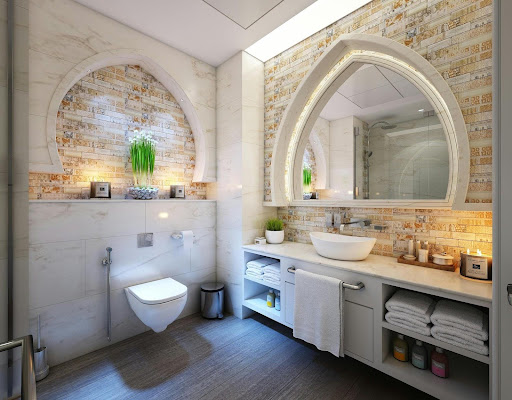
Small bathrooms can quickly start to feel cramped if the layout isn’t working properly. When every fixture sits close together, even small design choices can affect how easy it is to move around and keep the room organised.
Making a compact bathroom feel more open doesn’t usually mean knocking down walls or extending the space. Most of the time, it comes down to choosing fittings that suit the room and arranging them in a way that keeps the layout simple and uncluttered.
Things like the shower’s shape, how storage is arranged, and how much visible floor space remains can all influence whether the bathroom feels tight or comfortably balanced. With the right approach, even a small room can feel noticeably calmer and easier to use.
The ideas below focus on practical adjustments that help small bathrooms feel more spacious without complicating the design.
1. Let the Shower Work With the Shape of the Room
In many small bathrooms, the shower occupies the largest portion of the space. When it projects too far into the room, the whole space can start to feel boxed in.
Corner installations often solve this problem because they make use of an area that might otherwise sit awkwardly between walls. Keeping the shower contained within that corner leaves more open floor space in the centre of the room, which immediately improves how easy the bathroom is to move around.
Why Corner Installations Often Work Better
If you’re renovating a small bathroom, choosing fixtures that installers are used to working with can make the planning stage much smoother. Standard tray sizes, familiar layouts and predictable measurements all help avoid unnecessary complications during installation.
This is one reason many homeowners end up choosing quadrant shower trays. The curved front edge fits neatly into the corner while keeping the shower compact and comfortable to use. Many people also find that buying quadrant shower trays from Heat and Plumb simplifies the decision process because the range includes multiple sizes and compatible enclosure options that suit typical UK bathroom layouts.
A curved shower tray also helps soften the overall layout. Instead of sharp corners projecting into the room, the rounded edge keeps circulation space clearer, which makes the bathroom feel easier to navigate day to day.
2. Choose a Shower Tray Shape That Maximises Floor Space
Once the shower position is decided, the tray shape becomes the next important detail. In smaller bathrooms, even slight changes to the footprint can affect how much room you have to move comfortably between fixtures.
Straight-edged trays can sometimes extend further into the room than expected, which narrows the space around the basin or toilet. Over time, that tight clearance can make the bathroom feel more restrictive than it needs to be.
How Curved Shower Trays Improve Circulation
A round shower tray or curved design reduces that issue by softening the footprint of the enclosure. Instead of projecting straight out into the room, the curved edge keeps the shower contained neatly within the corner.
The difference might seem small on paper, but it becomes noticeable during daily use. More space around the entrance of the shower makes it easier to step in and out, and the curved edge leaves clearer pathways between the rest of the fixtures.
Many homeowners comparing layouts find that a quadrant shower tray offers a good balance. It keeps the shower compact while still providing enough internal space to feel comfortable during use. In a small bathroom, that balance between practicality and footprint can make the entire room feel easier to navigate.
3. Keep Sightlines Clear With Simple Glass Design
Layout determines how a bathroom functions, but visual flow determines how spacious it feels. When sightlines across the room remain clear, the entire space appears more open.
Heavy framing around shower enclosures can interrupt that visual flow. The additional metal lines break up the room and draw attention to the boundaries of the shower area.
Why Frameless and Semi-Frameless Designs Work Well
Many homeowners renovating compact bathrooms lean towards frameless or semi-frameless shower enclosures for this reason. With less visible framing, the glass panels allow light to pass through the room more freely.
That uninterrupted view helps the eye travel from one side of the bathroom to the other, which naturally makes the space feel larger. Clear glass also reflects light more effectively than frosted or patterned panels, adding to the sense of openness.
There are practical advantages as well. Simpler frame designs usually mean fewer edges where limescale and soap residue can build up. For busy households, easier cleaning often becomes an important factor when choosing a new enclosure.
4. Reduce Clutter With Thoughtful Storage Choices
Even well-designed bathrooms can feel cramped if everyday items start to accumulate on surfaces. Toiletries around the basin, spare bottles in the shower and towels draped over fixtures can quickly make the space look disorganised.
Storage decisions play a big role in maintaining the sense of openness.
Storage That Keeps Surfaces Clear
Wall-mounted storage often works best in smaller bathrooms because it frees up the floor area. Floating vanity units, mirrored cabinets and recessed shelving provide useful storage without adding visual bulk to the room.
Keeping everyday items organised also helps maintain a calmer layout:
- Store toiletries inside cabinets rather than leaving them on the basin
- Position towel rails away from main circulation paths
- Use coordinated containers or baskets to group smaller items together
When surfaces remain clear, the bathroom immediately feels more spacious and easier to maintain.
5. Choose Fixtures That Feel Visually Balanced
A small bathroom often feels more organised when the fixtures follow a consistent visual style. When shapes and proportions work together, the room appears calmer and more intentional.
Why Shape Consistency Matters
Rounded elements tend to work particularly well in compact spaces. A round shower tray paired with softly curved basins, mirrors or accessories can help the layout feel more cohesive.
Sharp corners across multiple fixtures can sometimes make the room feel more crowded. Mixing in softer shapes helps balance the space and creates a smoother visual flow from one fixture to the next.
Consistency in finishes can also make a difference. When taps, shower fittings and accessories share similar tones or materials, the bathroom feels more structured rather than visually busy.
Small adjustments like these help the entire room feel more thoughtfully arranged.
Designing a Small Bathroom That Feels Comfortable Every Day
A compact bathroom doesn’t have to feel restrictive. When the layout works well and fixtures are chosen carefully, the room can feel organised, practical and comfortable to use.
Positioning the shower efficiently, maintaining clear sightlines and keeping surfaces free from clutter all contribute to a more open atmosphere. Choosing the right quadrant shower tray can also help maximise the available space while keeping the layout simple to plan and install.
Small improvements often have the biggest impact. When each element of the bathroom supports the layout rather than competing for space, even the smallest rooms can feel balanced, functional and surprisingly spacious.