
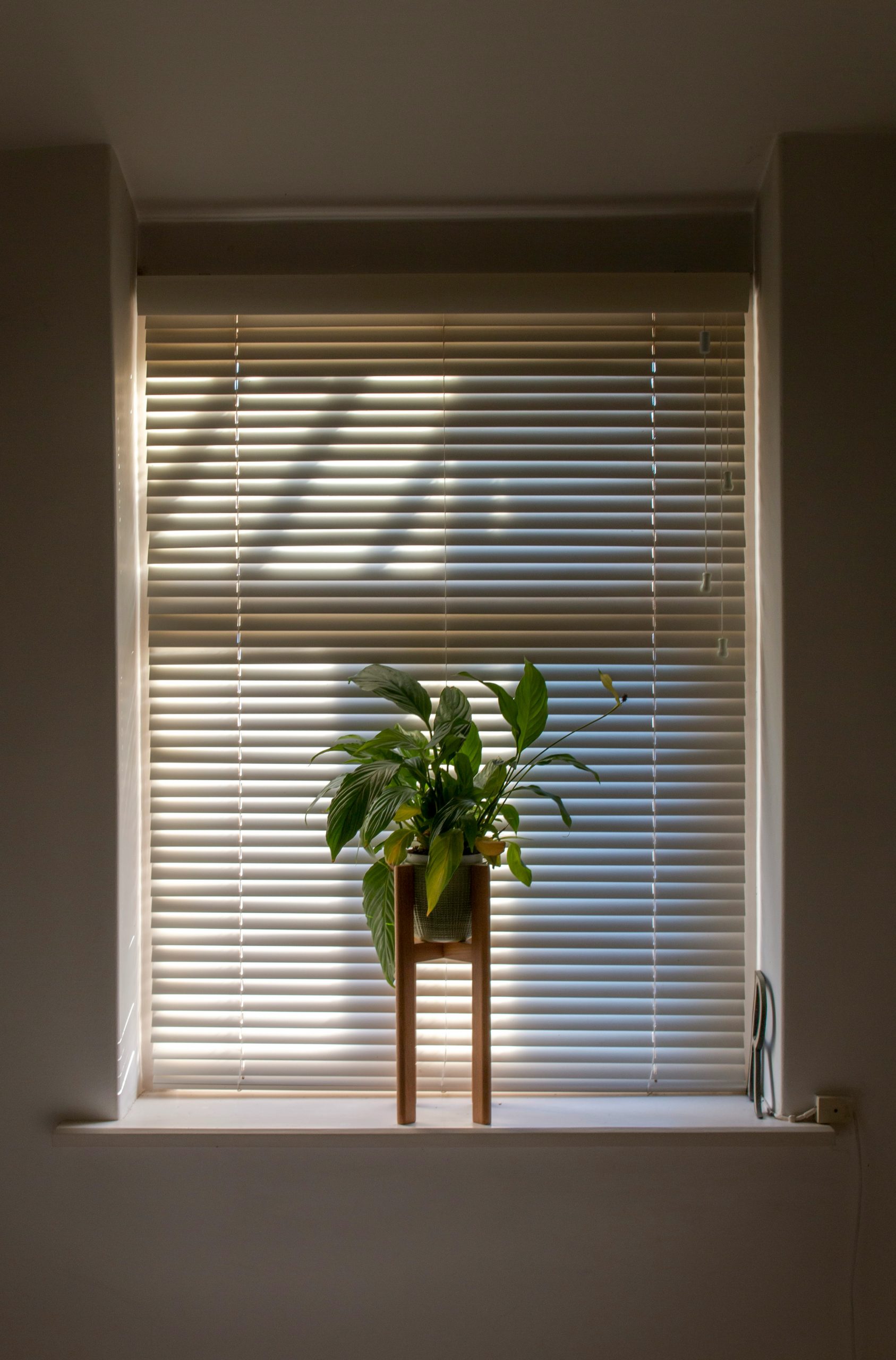
There is a home improvement that costs a fraction of a new boiler, requires no builder, no planning permission and no mess — and yet provides a measurable reduction in winter heating demand and a noticeable improvement in room comfort. Most UK homeowners have never heard of it. Honeycomb blinds have been an established product in Scandinavia and North America for decades, but remain significantly underused in the UK despite being one of the most practical window upgrades available.
What Makes Honeycomb Blinds Different
The name describes the cross-section. Look at the edge of a honeycomb blind and you see a row of enclosed hexagonal cells running across the width of the fabric. Each cell contains a column of still air, sealed within the fabric construction. Still air is a good insulator — it resists the transfer of heat from one side of the cell to the other. Moving air, by contrast, carries heat efficiently, which is why draughts feel cold.
By trapping air within each cell, honeycomb blinds create a thermal barrier between the warm room interior and the cold glass surface. The result is a window that loses heat at a measurably lower rate than it would without the blind, and a room that feels noticeably warmer near the window on cold days.
Single Cell vs Double Cell
Single-cell blinds have one row of cells. Double-cell blinds stack two layers, effectively doubling the depth of insulating still air. Studies on cellular blind performance suggest that single-cell blinds reduce window heat loss by 20 to 35 percent; double-cell blinds push that figure toward 40 to 50 percent on older or less efficient double-glazing.
For standard rooms with modest window areas, single-cell is usually sufficient. For conservatories, rooms with large areas of glazing, or properties with older double-glazed units where the insulating gas has escaped, double-cell provides a more substantial improvement.
The Cold Draught Effect
The most immediately noticeable benefit of honeycomb blinds in winter is not the reduction in heat loss measured in percentages — it is the elimination of the cold draught at the window. When a room has an uncovered window in cold weather, the air immediately adjacent to the glass cools, becomes denser, and falls — creating a continuous downward current of cold air that spreads across the floor. This is the draught you feel sitting near a window even when the central heating is running.
A honeycomb blind closed against the window interrupts this convective cycle. The air between the blind and the glass cools and is trapped within the cells rather than falling into the room. The draught disappears. Many people notice this before they notice anything on their heating bill.
Summer Performance
The insulating effect works in both directions. In summer, thermal blinds and honeycomb blinds on south and west-facing windows reduce the rate of solar heat gain, keeping rooms cooler during the warmest part of the day. For UK homes without air conditioning — still the majority — this passive cooling effect is increasingly valuable as summer temperatures rise.
Blackout Options
Honeycomb blinds are available in blackout fabric as well as light-filtering options. A blackout honeycomb blind combines the insulating cellular structure with complete light blocking — the most complete single-blind solution for bedrooms and nurseries where both darkness and temperature stability are wanted.
For a home improvement that requires no structural work, delivers year-round comfort improvements and costs a fraction of most energy upgrades, honeycomb blinds represent an underexplored option that most UK homeowners would benefit from knowing about.