
Reasons Why Plants and Flowers Grow Faster and Healthier Inside a Greenhouse
Do Plants Grow Better in a Greenhouse or Outside?
Summary:
- Explore the differences between growing plants outdoors versus in a greenhouse.
- Understand how temperature, light, and protection affect plant health and growth.
- Learn why greenhouses can help extend the growing season and improve overall plant success.
Gardeners often wonder: do plants truly grow better in a greenhouse, or is open-air gardening more effective? Outdoor gardening has its own rewards, connecting us with nature and the seasons. But a greenhouse can give plants a more stable environment, allowing them to grow with fewer interruptions from weather, pests, and other stresses.
A greenhouse doesn’t replace nature, it supports it. By providing a consistent and sheltered space, plants can focus on growth and development, resulting in stronger foliage, earlier blooms, and, for fruiting plants, better yields.
Outdoor Gardening: Beautiful but Unpredictable
There’s something deeply satisfying about growing plants outdoors. Watching seedlings emerge, feeling rain on your hands, and observing pollinators at work all make gardening a sensory experience. Outdoor gardens are living ecosystems that offer lessons in patience, observation, and resilience.
Yet, outdoor gardening also comes with challenges, particularly in the UK:
- Temperature fluctuations: Late frosts or sudden cold snaps can damage young plants or delay growth.
- Heavy rainfall: Excess water can compact soil, suffocate roots, and encourage fungal diseases.
- Wind: Strong gusts can break stems, damage flowers, and reduce overall plant vigour.
- Pests and disease: Insects and wildlife can access plants freely, and diseases can spread quickly.
Even with careful planning, plants outdoors often have to spend energy surviving rather than thriving. While hardy varieties can cope, delicate plants may grow more slowly or produce less.
How Greenhouses Help
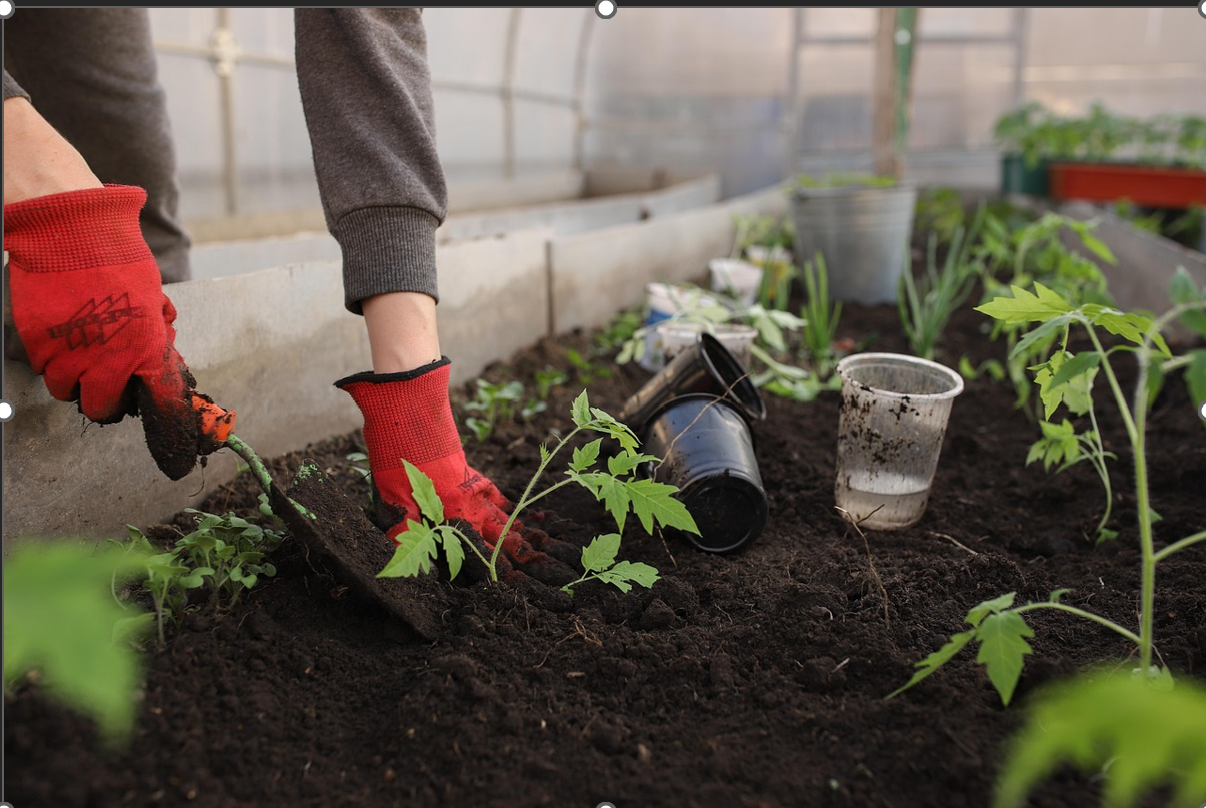
A greenhouse provides a controlled microclimate that protects plants from extreme weather and pests, giving them a more consistent environment in which to grow. This doesn’t mean that plants are “unnatural” or “forced” , it simply reduces stressors that slow growth.
In a greenhouse, plants benefit from:
- Stable temperatures: The structure traps warmth during the day and releases it slowly at night, protecting plants from cold snaps.
- Extended growing season: Seeds can be started earlier in spring, and crops can continue growing into autumn.
- Better light exposure: Glazing spreads sunlight evenly, reducing the risk of scorching while ensuring plants get sufficient light.
- Reduced exposure to pests and weather: Plants are protected from heavy rain, strong winds, and some pests.
- Moderate humidity: Greenhouses retain moisture in the air, which can help nutrient uptake and reduce plant stress.
Even a small greenhouse can make a noticeable difference. Options range from compact hobby models to larger structures, providing flexibility depending on space and gardening goals. For example, there are many different Green Houses sizes and styles available on the market that suit a range of garden spaces.
Why Plants Often Grow Faster Inside a Greenhouse
When plants are sheltered and conditions are consistent, they can focus energy on growth rather than survival. This can result in:
- Faster germination: Seeds often sprout more quickly in a stable environment.
- Stronger roots and stems: Consistent warmth and moisture support healthy structural growth.
- Earlier flowering and fruiting: Plants can reach maturity sooner, making them more productive.
Many vegetables and flowers respond particularly well to greenhouse conditions, including tomatoes, peppers, cucumbers, and tender flowers like fuchsias or geraniums. Starting these plants in a greenhouse allows you to give them a head start before transferring them outdoors when the conditions are more reliable.
Practical Tips for Using a Greenhouse
Even small greenhouses can be highly effective if used thoughtfully. Here are some practical ideas:
- Start seedlings early: Sow seeds in trays so young plants have a head start on the season.
- Harden off gradually: Acclimatise plants to outdoor conditions slowly before transplanting.
- Monitor ventilation: Proper airflow prevents overheating and reduces fungal issues.
- Watch watering carefully: Greenhouses can retain moisture, so avoid overwatering.
- Experiment with varieties: Plants that struggle outdoors, like tropical or tender species, often do well inside.
A greenhouse can complement an outdoor garden rather than replace it entirely. Starting plants inside and then moving them outside can provide the best of both worlds.
Keeping Your Greenhouse Productive and Clutter-Free
A productive greenhouse isn’t just about warmth and light, it’s also about space and airflow. As plants grow, clutter from pots, tools, seed trays, and compost can quickly build up, restricting ventilation and making it harder to maintain healthy conditions. Overcrowded greenhouses are more prone to excess humidity and disease, which can slow plant growth.
Using Garden Sheds for storage helps keep the greenhouse clear and focused on plant development. Storing tools and supplies outside the growing area improves air circulation, maximises usable space, and makes day-to-day gardening more efficient. An organised setup supports healthier plants and allows gardeners to get the most from both their greenhouse and outdoor growing areas.
The Bigger Picture: Environment Matters
Plants don’t thrive in greenhouses because it’s artificial, they thrive because the environment reduces stress. Outside, a plant might spend energy shoring up stems, recovering from pest attacks, or coping with temperature swings. In a greenhouse, the same plant can put energy into producing healthy leaves, flowers, and fruit.
This doesn’t mean that outdoor gardening isn’t rewarding, but if the goal is reliable growth and earlier harvests, the greenhouse clearly has advantages.
Combining Greenhouse and Outdoor Gardening
Many gardeners find that the best results come from combining both approaches:
- Greenhouse: Start seedlings, nurture tender plants, and extend the season.
- Outdoors: Grow hardier crops, support wildlife, and let plants develop natural resilience.
Even a small greenhouse, paired with some organised outdoor storage, can transform the gardening experience. With the right balance, you can have longer growing seasons, healthier plants, and a more enjoyable routine.
Final Thoughts
A greenhouse isn’t about replacing nature, it’s about supporting it. By offering warmth, protection, and stability, it allows plants to grow without unnecessary stress. For gardeners, this means stronger plants, earlier flowers, and more reliable yields, whether you’re growing vegetables, flowers, or herbs.
Whether you’re tending seedlings, nurturing a small flower collection, or aiming for a productive vegetable harvest, a greenhouse provides conditions where plants can thrive. Combining it with thoughtful outdoor gardening creates a dynamic, flexible space that works with nature rather than against it. Or sometimes simply installing roof skylights in your home can be all that’s needed to give your plants a little extra light to support them to flourish.