
We often learn to equate independence with competence. Asking for help can then feel like failure, particularly for neurodivergent people labelled by society as disorganised, difficult or overly sensitive. Yet recognising and communicating your needs is self-advocacy. It protects wellbeing and turns isolation into informed, practical action.
Challenging the Stigma Around Help-Seeking
The idea that capable people cope alone ignores our reliance on shared knowledge and relationships. For neurodivergent people, this pressure is intensified by years of masking or navigating systems designed around other ways of thinking.
Language helps reframe help-seeking. Support is not rescue after failure; it helps someone work with their brain, circumstances and goals rather than against them. Requesting written instructions, quiet, supportive surroundings or processing time demonstrates insight and responsibility.
The Benefits of Reaching Out for Support
Good support can reduce confusion, reveal patterns and make challenges feel manageable. An assessment may provide an explanation for long-standing experiences. Coaching can help someone test routines, plan tasks or communicate their needs, while peer support can replace shame with recognition and belonging.
Notice when familiar strategies stop working. Persistent overwhelm, missed responsibilities, strained relationships or exhaustion from masking can signal that extra help would be useful. Start small: write down what is difficult, what you have tried and what outcome you want. This gives a GP, coach or other professional something concrete to explore with you.
Navigating Support Options, Including a Private ADHD Assessment
The NHS advises speaking to a GP when ADHD symptoms are affecting work, study or relationships. A private ADHD assessment may offer another route to clarity, especially when waiting lists are long, but it deserves careful research. Check the clinician’s qualifications, professional registration and experience with adults whose presentation may be less obvious. Ask what the fee covers, whether you receive a detailed report and what happens after the assessment.
Mind notes, however, that private mental health assessment can be expensive and may not automatically provide access to NHS treatment, so discuss potential follow-up and shared-care arrangements with your GP beforehand.
Building a Culture of Empowerment
Supportive environments do not wait for somebody to reach crisis point. Families, friends and workplaces can invite honest conversations, respect preferred language and ask what would help instead of making assumptions. Managers can make instructions clearer; loved ones can listen without immediately offering solutions.
Neurodiversity-affirming therapeutic coaching can also help people identify strengths and build workable strategies without treating difference as a defect. Choose a practitioner who understands their professional boundaries, avoids promising a cure and adapts their approach to the individual.
Moving Forward with Confidence
Asking for help is a skill that can strengthen with practice. Needs may change across life, and returning for support is not moving backwards. Whether you contact a clinician, coach, colleague or trusted friend, reaching out says something powerful: your wellbeing matters, and you are prepared to advocate for it.
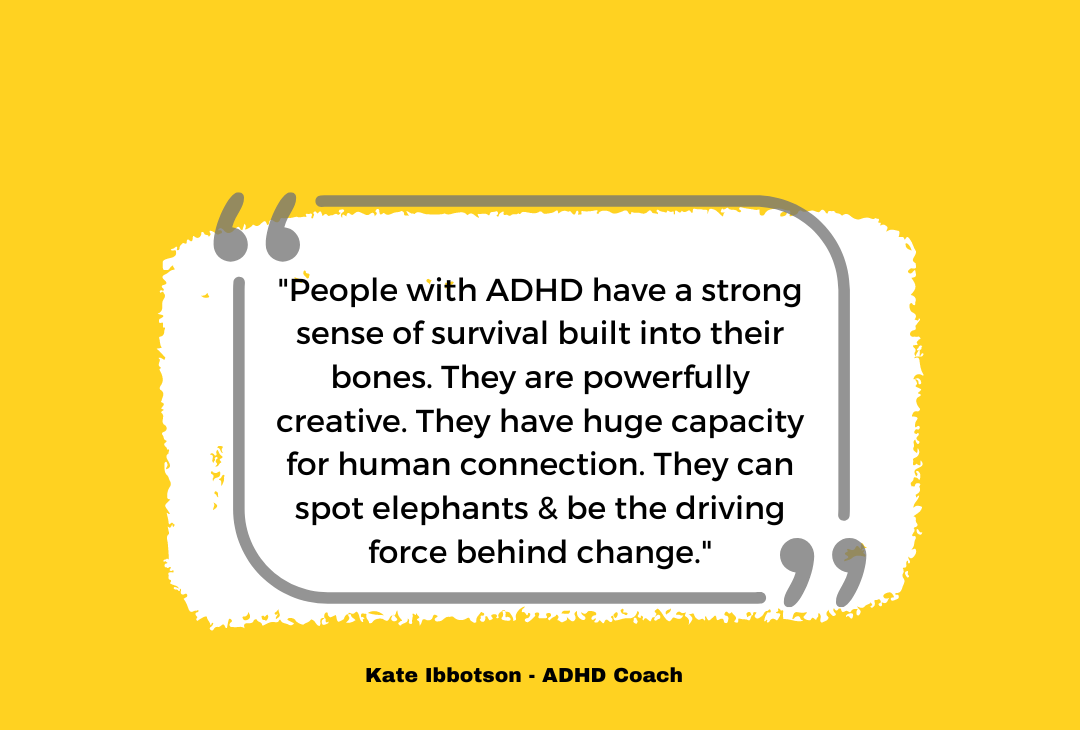
If the above has created a moment of stillness in which you would like to talk to a professional about working with your neurodivergent strengths, rather than against them, our Founder Kate offers:
Neurodivergent Affirming Coaching / ADHD Coaching / Autism Support
and
Neurodivergent Affirming Therapy