
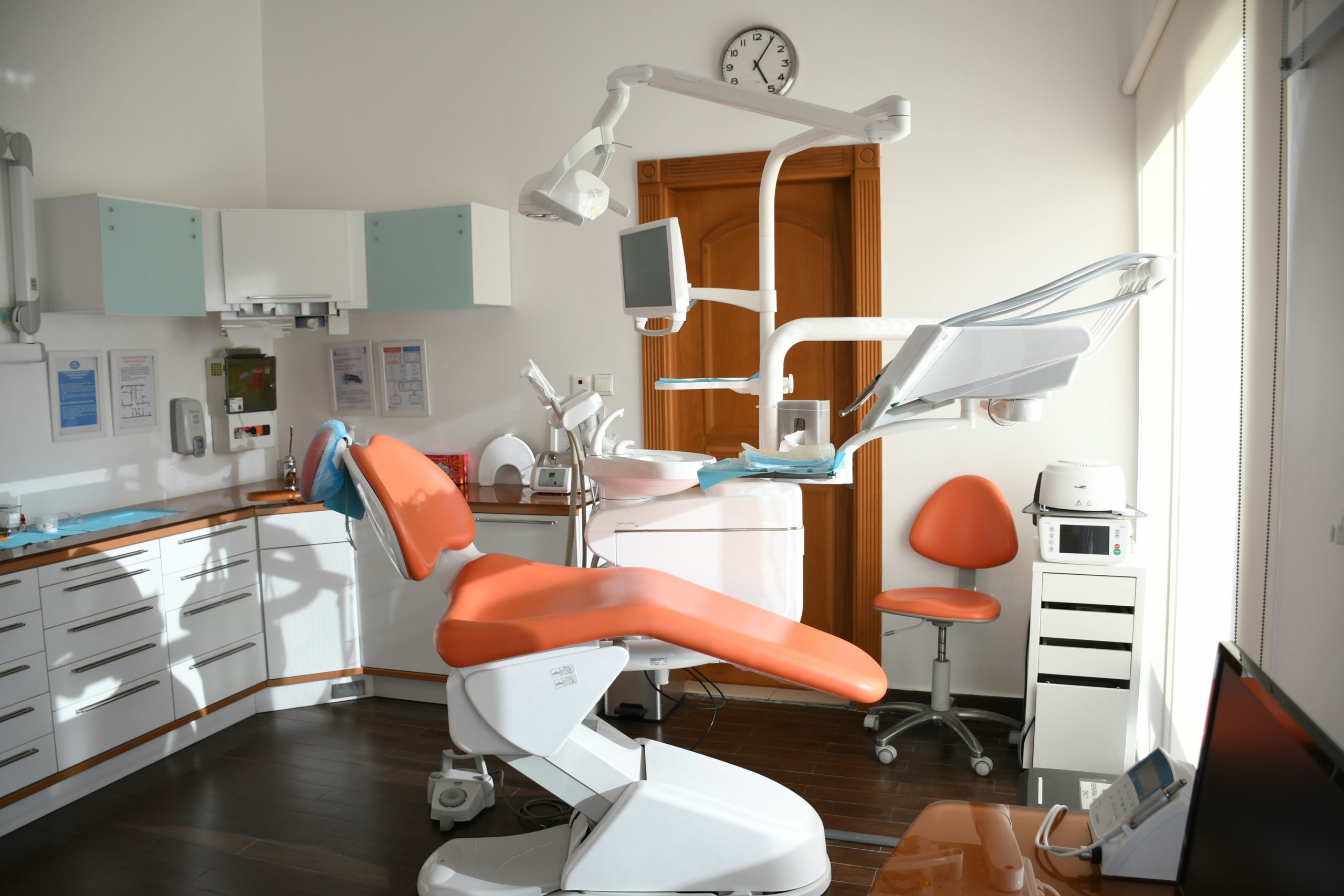
Routine dental visits do more than keep your smile bright. During an exam, a dentist examines your teeth, gums, tongue and other tissues inside your mouth for changes that may need attention. Sometimes such findings are signs of health problems in addition to simple tooth decay.
Regular dental checkup gives your dentist the opportunity to identify any unusual changes, discuss your symptoms and recommend any additional testing that may be needed. Although dental exams don’t diagnose all health problems, they can provide useful clues about your overall health. Understanding what dentists seek can help you understand the importance of preventative oral care.
1. Periodontal Disease and Signs of Inflammation
One of the most common conditions dentists see during routine exams is gum disease. It frequently starts with gingivitis, which makes your gums red and swollen, and bleed when you brush or floss. Untreated, the inflammation can progress to periodontitis, a more advanced stage of gum disease in which the tissue and bone that support the teeth are destroyed.
Dentists will look for bleeding gums, swelling, plaque build-up, gum recession and periodontal pockets. They may also check to see if teeth feel loose or if bite changes indicate underlying support problems.
Gum disease can also be associated with other health conditions such as diabetes. The relationship is two-way: diabetes can increase the risk of severe periodontal disease, and periodontal inflammation can make blood sugar control more difficult for some patients.
But a dentist can’t diagnose someone with diabetes just by looking at their gums. But if you have ongoing or serious gum problems, you might want to talk to your doctor about your medical history and whether you should have a medical review.
2. Signs of Diabetes You Might Have
Diabetes affects the body’s ability to control blood glucose, and it can affect oral health. Some people with poorly controlled diabetes can see dry mouth, frequent mouth infections, slow healing or chronic inflammation of the gums.
These changes may be noticed by a dentist during a dental exam, particularly if they are accompanied by other symptoms or a history of recurrent dental problems. Diabetes also causes increased thirst and frequent urination, but a dentist would have to ask about symptoms, rather than infer them from the mouth.
These signs do not confirm you have diabetes. Dry mouth can be caused by medications, dehydration, or other medical conditions. If your dentist notices patterns that are a concern, they may suggest seeing a doctor for appropriate testing.
Early medical assessment may help people with diabetes or those at risk of developing it get the right advice. Sharing your medical history and medication list with your dental team also helps them plan care more safely.
3. Suspicious Changes in Tissue (Oral Cancer)
Dentists look at the soft tissues in the mouth for abnormalities such as sores that don’t heal, unexplained red or white patches, lumps, thickened areas or changes in the tongue and inner cheeks. Some findings may be benign, but persistent or suspicious changes require further evaluation.
An oral exam may involve the lips, gums, tongue, inside of the cheeks, roof and floor of the mouth, and the tissues around these structures. Depending on the history and symptoms, the dentist may refer the patient to a doctor or other appropriate specialist for review.
Between appointments, pay attention to warning signs. If you have a mouth ulcer that lasts longer than two to three weeks or an unexplained lump, persistent pain, difficulty swallowing or a persistent change in your voice, seek professional advice. If you are concerned about symptoms, do not wait until your next routine appointment.
Oral cancer cannot be diagnosed or ruled out by visual examination of the teeth. A suspicious area may sometimes require specialist assessment and biopsy. Assessing early helps make sure that any changes that are cause for concern are dealt with properly.
4. Nutritional Deficiencies and Dietary Issues
The mouth can be a site where signs of nutritional deficiencies appear. Some deficiencies, such as iron or vitamin B12 deficiency, can lead to a smooth or sore tongue or cracks at the corners of the mouth, or pale oral tissues. However, these symptoms may have many causes and are not diagnostic.
Dentists may also see a lot of erosion of the enamel, or patterns of damage to the teeth that raise questions about diet, about frequent drinking of acidic drinks or repeated vomiting. The results can be an opportunity for sensitive discussions on eating habits and symptoms.
If a dentist suspects that the oral changes may be due to a nutritional or medical problem, they may suggest the patient seek a medical evaluation. A doctor can tell whether blood tests or other investigations are needed and suggest the right treatment.
Do not take high-dose supplements simply because you have oral symptoms. The right answer depends on the cause. The cause might require proper assessment.
5. Medications and Dry Mouth Side Effects
Saliva protects teeth by washing away food particles, neutralizing acids and keeping the balance in the mouth to its natural state. If the body produces too little saliva, a person may experience dry mouth, trouble eating dry foods, bad breath, or a constant sticky feeling.
Less saliva also equals more risk of cavities and oral pain. Dentists may notice dry tissues, thick saliva, or more cavities than usual, especially near the gumline.
Dry mouth can be caused by dehydration, some medications, medical conditions and some cancer treatments. Other medicines Some other medicines, such as antidepressants and antihistamines, can also cause the problem, but their effects may differ from person to person.
Give your dentist a current list of medications and tell them when the symptoms began. Your dentist may recommend practical solutions, such as drinking water frequently, using sugar-free items that promote saliva production, and using fluoride toothpaste. If symptoms persist a medical review may help identify the cause. Do not stop prescribed medication without talking to the clinician managing it.
6. Teeth Grinding and Symptoms of Sleep-Related Problems
Bruxism is the technical term for teeth grinding and can happen when you’re asleep or awake. Over time it can cause flattened tooth surfaces, little fractures, tenderness in the muscles of the jaw, headaches or sensitivity.
During a checkup, dentists will look for abnormal wear patterns, damaged restorations, and signs of stress around the jaw. They may ask if you have a sore jaw when you wake up, if you wake up with headaches or if you find yourself clenching your teeth when you are under stress.
Grinding is not necessarily a sign of a sleep disorder. Stress, certain medications, lifestyle factors, and other conditions can play a role. Some cases of obstructive sleep apnea, which is the repeated cessation of breathing during sleep, may be due to sleep bruxism.
If you snore loudly, gasp or choke during sleep, or feel sleepy during the day, talk to your doctor. Where appropriate, a dentist can help to protect your teeth with an appropriate dental appliance. A mouthguard is not a substitute for medical evaluation where sleep apnea is suspected.
What Dentists Can Detect, and When You Need Another Specialist
A dental exam can identify warning signs, but it has its limitations. Oral signs and symptoms are often overlapping in various conditions and hence a dentist should never diagnose a systemic disease based on one sign.
The finding dictates the next step:
- Problems with teeth or gums: Your dentist may recommend a cleaning, periodontal treatment, restorative care or closer monitoring.
- Possible Medical Issues: Your dentist might suggest you see a doctor for a full evaluation or appropriate testing.
- Persistent or suspicious oral lesions: May need referral to an oral medicine specialist, oral surgeon or other appropriately qualified clinician.
- Sleep symptoms: A physician can determine whether further sleep testing is warranted.
If you book preventive care with a provider like Nuffield Dental, ask what the examination consists of and mention any changes you have noticed, even if they seem unrelated to your teeth. Open communication helps your dental team understand your concerns and determine if referral is appropriate.
Include Preventive Dental Care in Your Health Routine
Regular dental visits help to identify cavities and gum disease, but they may also identify oral changes that need closer examination. These findings can be useful clues to your health, ranging from chronic inflammation and dry mouth to suggestive tissue changes and abnormal tooth wear.
A dental checkup is not a substitute for a medical examination. Many oral symptoms can have more than one possible cause. However, early assessment can help you to tackle dental problems in time and seek medical help when needed. Keep up a daily routine of oral hygiene, go to any recommended appointments, and continue to let your dentist know of any symptoms or changes. By taking these steps, you’ll not only support healthier teeth and gums, but also help you make informed choices about your broader health.