
Recovering from addiction is an involved process which is effectively one you’ll be on for a lifetime. And if you’ve been through inpatient rehabilitation, your next step involves returning home in a way that’s conducive to ongoing positive progress. Some people will even find themselves in need of moving to a new home. But whatever your domestic arrangements, the space you spend most of your time in needs to be adapted to enable your fresh start, rather than the opposite. Here’s how to ensure that’s the case.
Tackling Triggers
First and foremost, your home environment has to be free from the things that might be triggering. This will depend on the type of addiction you’re dealing with, and includes both physical triggers and digital triggers.
For instance, if you’re keen to rehab alcohol, UK services will advise ensuring your home is free not only of drink before you return to it, but also of any of the associated paraphernalia and objects that come with it. Even getting rid of a specific glass or a piece of clothing branded with a brewery or alcohol brand will make a difference.
Digital triggers are another major issue, and social media is worth avoiding altogether in the early stages of recovery. At minimum, unfollow accounts that might prompt unhelpful memories and associations. Ideally, steer clear of triggering platforms and devices altogether. And of course, if setting up your home to be as free from triggers as possible sounds like a big ask, getting a friend or family member to do this on your behalf is wise. It’s a reminder that recovery isn’t something you have to face alone.
Decluttering Mindfully
Removing triggers is a form of decluttering in its own right, but it can go further and become a mindful act that you use to stabilise your mental health as you reintegrate into your home environment. Most importantly, don’t make this a whole-house job from the get-go. You’re better to approach it broken down into manageable tasks, so that might be sorting out a single drawer, or it might mean dealing with one room in an afternoon.
Rearranging is just as useful in this context. You don’t have to throw out all your possessions. Once you find some momentum in the decluttering process, you could rearrange your furniture to give spaces a fresh feel that’s also aligned with the new start you’re making.
Prioritising Quality Rest
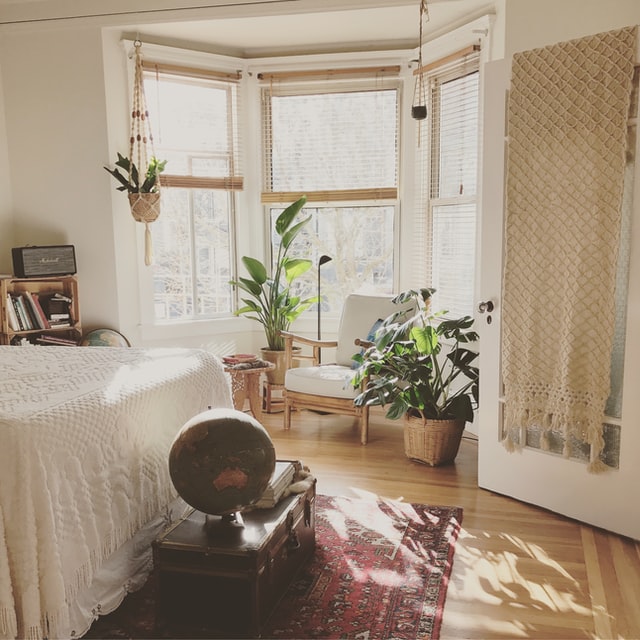
Recovery is as much about inaction as action, so make sure you can rest and relax as comfortably as possible. The bedroom is an obvious starting point, and aside from making it physically comfortable with things like new bedding and blackout curtains, you’ll also feel the benefit of re-contexualising it mentally as the place you go to sleep. That means removing TVs and other entertainment devices and clearly defining this space in your home for its core purpose.
You can also focus rest and relaxation in other places set up for specific uses. If you’ve got a chilled-out hobby like model making or drawing, for instance, having somewhere to do this that’s always ready to go will make a difference. In short, be mindful and intentional in how your home environment gets adapted to aid your recovery, and it will pay dividends.